How Spray Foam Insulation Improves Indoor Air Quality Feb 11, 2026
Indoor air quality significantly impacts health and well-being. Poor air quality can lead to respiratory problems, allergies, and other health issues. Spray foam insulation offers a unique solution by addressing several key factors that affect indoor environments.
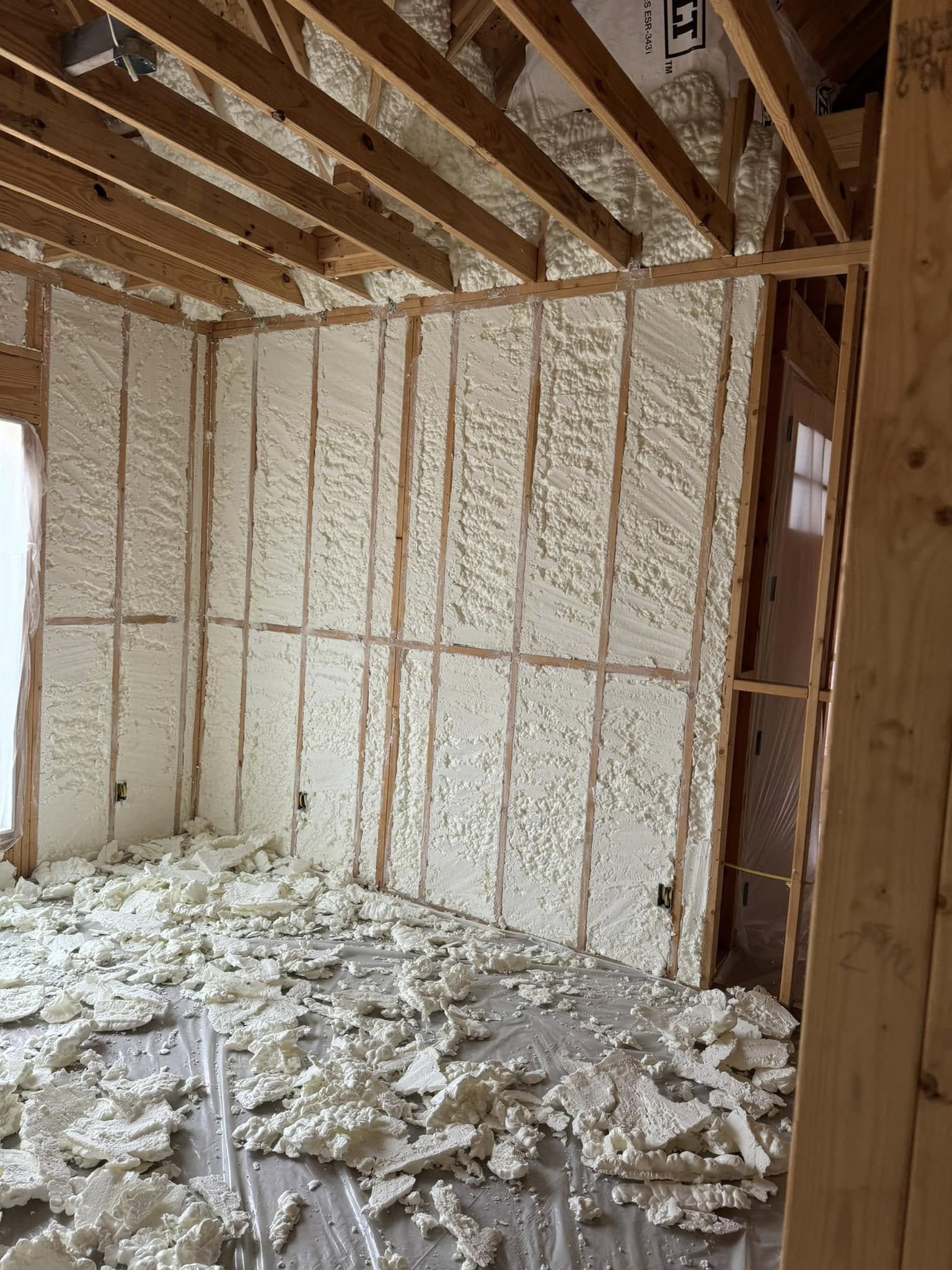
Firstly, spray foam insulation is an effective barrier against outdoor pollutants. Traditional insulation methods often leave gaps through which external air can infiltrate indoor spaces. This can introduce pollutants, allergens, and moisture. Spray foam insulation, however, expands upon application, filling every nook and cranny. This seamless barrier minimizes the entry of outdoor air, thus reducing pollutants that compromise indoor air quality.
Moisture resistance is another critical benefit of spray foam insulation. Excess moisture is a precursor to mold and mildew, both of which can degrade air quality, leading to odors and health risks. Spray foam insulation is highly effective at preventing moisture intrusion. Its closed-cell structure acts as a moisture barrier, inhibiting the conditions necessary for mold and mildew to thrive. By controlling moisture levels, spray foam insulation helps maintain a cleaner, healthier indoor environment.
Moreover, spray foam insulation improves air sealing. Proper air sealing is vital in controlling the transfer of air indoors and outdoors. Traditional insulation materials often fall short, leading to drafts and air leaks that promote the circulation of dust and allergens. Spray foam insulation’s expansive nature ensures that leaks are minimized, maintaining a consistent indoor environment free from dust and allergens commonly associated with air infiltration.
Energy efficiency is another aspect where spray foam insulation excels, indirectly benefiting air quality. Homes well-insulated with spray foam require less energy to heat and cool, leading to less reliance on HVAC systems. Reduced HVAC usage means fewer opportunities for pollutants to circulate via ductwork, which often collects dust, pollen, and other particles that decrease air quality.
In addition to these benefits, spray foam insulation provides soundproofing qualities that contribute to a more serene indoor environment. The reduced noise pollution can enhance mental well-being, offering peace of mind and a more restful living space.
It's also important to note that not all spray foam products are created equal. Opting for high-quality, low-VOC (volatile organic compounds) spray foam, like those offered by companies such as Perez Foam & Contracting, ensures that homeowners reap the health benefits without introducing harmful chemicals into their homes.
In conclusion, spray foam insulation is a multi-faceted solution that enhances indoor air quality through effective air sealing, moisture resistance, pollutant barrier capabilities, energy efficiency, and soundproofing. For those concerned with maintaining a healthy home, the choice of spray foam insulation is an investment in long-term well-being. By choosing an experienced provider like Perez Foam & Contracting, homeowners can ensure their indoor environment is protected, promoting health and comfort year-round. Embracing spray foam insulation not only transforms your home into an energy-efficient haven but also a sanctuary of clean air and well-being.
/filters:no_upscale()/filters:format(webp)/media/178c4fa1-8ef9-4e26-a53a-e8752c53cc19.jpeg)
/filters:no_upscale()/filters:format(webp)/media/aafaccd7-4882-4bc4-8227-146bed52984b.jpg)