The Environmental Benefits of Choosing Spray Foam Insulation Feb 22, 2026
One of the most compelling environmental benefits of spray foam insulation is its energy efficiency. When you insulate your home or business with spray foam, you create a seamless air barrier that effectively reduces the amount of energy needed to heat or cool the space. This reduction in energy consumption can significantly lower your utility bills. More importantly, it decreases your carbon footprint, making your property more sustainable. The energy efficiency of spray foam insulation means less reliance on fossil fuels, helping to combat climate change and promote a greener future.
Another advantage of spray foam insulation is its durability. Unlike traditional insulation materials that can settle over time and require replacement, spray foam maintains its integrity for decades. This longevity means fewer resources are used for replacements, reducing waste and environmental impact. Additionally, spray foam insulation resists moisture and reduces the risk of mold growth. By maintaining healthier indoor air quality, it contributes to the overall well-being of building occupants and reduces the need for chemical-based mold treatments, which can be harmful to both health and the environment.
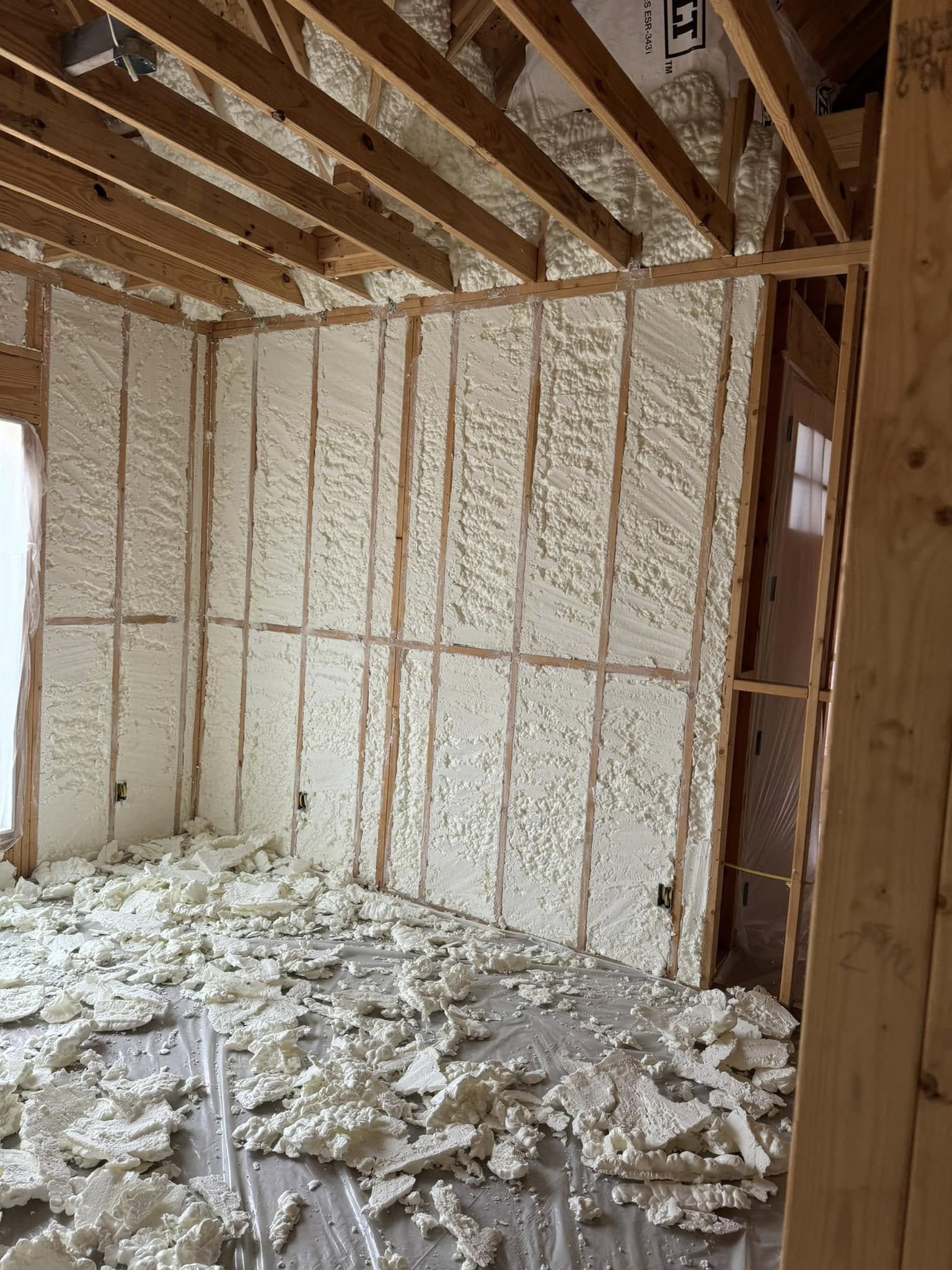
Spray foam insulation is also versatile and can be applied in areas that are difficult to insulate with traditional materials. This ability to fill in all the nooks and crannies ensures that energy is not wasted. The material expands upon application, providing thorough coverage without the gaps that can be left by other types of insulation. This comprehensive seal not only saves energy but also protects against outside pollutants and allergens, further improving indoor air quality.
From a lifecycle perspective, spray foam insulation made by companies conscious of environmental impact often includes renewable or recycled materials. Using such materials not only provides an economic advantage but also supports sustainable production practices. Some spray foam products contain bio-based elements derived from agricultural products, contributing to a decrease in petroleum-based resources and promoting the use of renewable resources.
In addition to its energy-saving properties, spray foam insulation also contributes to soundproofing a home or building. This added benefit can reduce noise pollution both inside and out, enhancing the quality of residential or work environments. Less noisy environments can lead to increased productivity and improved mental health, adding to the cumulative environmental benefits.
Ultimately, spray foam insulation offers a greener, more sustainable solution for construction projects. For home and business owners looking to reduce their environmental impact, choosing spray foam insulation is a smart decision. By prioritizing an investment in spray foam insulation, you're not just improving your property—you're contributing to a healthier planet.
In conclusion, the environmental benefits of choosing spray foam insulation are clear. By enhancing energy efficiency, ensuring durability, utilizing renewable materials, and contributing to better indoor air quality, spray foam insulation proves itself as a superior, eco-friendly option. For those committed to sustainable building practices, partnering with Perez Foam & Contracting to install top-quality spray foam insulation is a step towards a brighter, greener future. Consider this transformative choice when planning your next insulation project, and take the lead in eco-friendly living.
/filters:no_upscale()/filters:format(webp)/media/178c4fa1-8ef9-4e26-a53a-e8752c53cc19.jpeg)
/filters:no_upscale()/filters:format(webp)/media/aafaccd7-4882-4bc4-8227-146bed52984b.jpg)