Understanding Closed Cell vs. Open Cell Spray Foam Insulation Mar 23, 2026
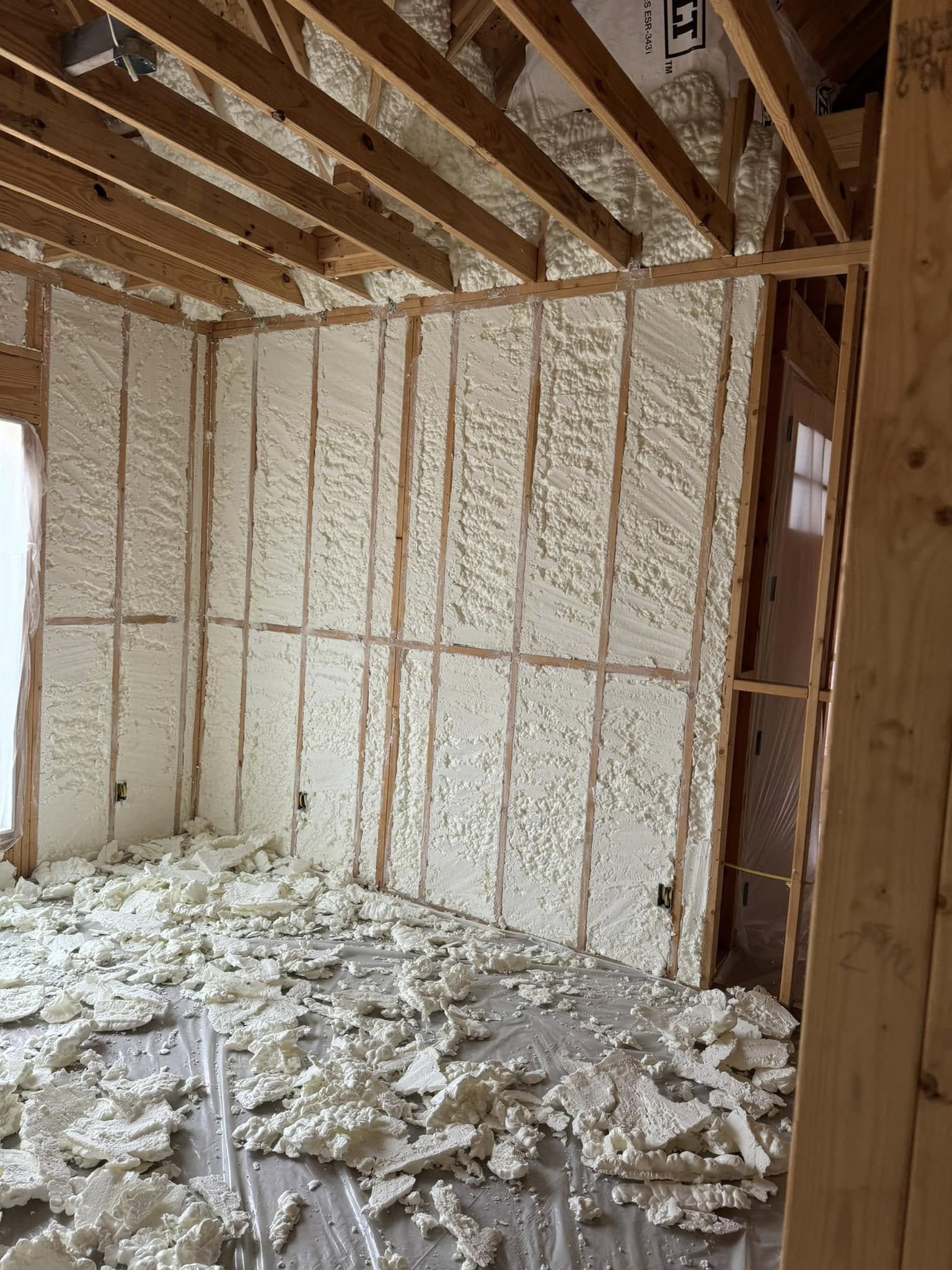
Spray foam insulation works by sealing all gaps and cracks in your building’s framework, providing an effective barrier against air and moisture. Deciding between closed cell and open cell spray foam depends on several factors like location, budget, and insulation needs. Here we explore the characteristics of both to aid your selection process.
Closed cell spray foam is known for its dense structure and high R-value, which measures an insulation's ability to resist heat flow. Thanks to its compact form, closed cell spray foam is incredibly strong and durable, enhancing structural integrity. This makes it an excellent choice for areas where moisture resistance is critical, such as basements or crawl spaces. It also works well in climatic zones with extreme weather conditions, providing a robust shield against the elements.
Beyond its formidable insulation power, closed cell spray foam provides a superior barrier to air and moisture, helping protect your property from mold and mildew. However, its superior qualities come with a higher price tag compared to open cell options. If your budget allows, investing in closed cell spray foam is a smart long-term choice due to its durability and insulating properties.
On the other hand, open cell spray foam is lighter and less dense, allowing for a degree of flexibility in its application. It is often applied in interior spaces like walls and ceilings, where soundproofing is a concern since its structure allows sound waves to be absorbed effectively. Open cell spray foam generally costs less than closed cell, making it a viable option for those mindful of budget constraints.
While open cell spray foam provides less moisture resistance compared to its closed cell counterpart, it still presents a good solution for interior insulation needs, offering decent thermal resistance and air sealing. For regions with milder climates, open cell spray foam might be an adequate and cost-effective choice.
One of the frequently asked questions is whether either type of spray foam can be installed as a DIY project. While both types of spray foam require professional installation to ensure proper application and safety standards, consulting with experts like Perez Foam & Contracting can help you achieve optimal results. Professional installation minimizes errors and ensures the insulation performs to its maximum potential.
In conclusion, selecting between closed cell and open cell spray foam insulation depends heavily on your specific needs and environmental conditions. Closed cell offers superior strength and moisture resistance, best for harsher environments, at a higher cost. Open cell is more versatile for soundproofing and interior projects, ideal for those working within a budget.
Ultimately, it's essential to work with experienced professionals who can assess your building’s requirements and guide you towards the best insulation choice to enhance your property's energy efficiency and comfort. At Perez Foam & Contracting, we pride ourselves on providing top-notch spray foam contractor services to meet your insulation needs effectively. Wholeheartedly committed to customer satisfaction, our team is ready to assist you in making your home or business more energy-efficient and comfortable.
/filters:no_upscale()/filters:format(webp)/media/178c4fa1-8ef9-4e26-a53a-e8752c53cc19.jpeg)
/filters:no_upscale()/filters:format(webp)/media/aafaccd7-4882-4bc4-8227-146bed52984b.jpg)